



This article will guide you through the essential infant car seat rules California, helping you make informed decisions that prioritize your child’s safetyNavigating the world of car seat regulations in California can feel overwhelming, especially when it comes to ensuring the safety of your little one. You want to make sure you’re doing everything right, but with so many rules and guidelines, it’s easy to feel unsure.
Understanding these rules is not just about compliance; it’s about protecting what you hold most dear. Imagine the peace of mind that comes from knowing your child is as safe as possible in the car.
Keep reading to ensure you’re fully prepared to buckle up your precious cargo with confidence.
California Car Seat Laws
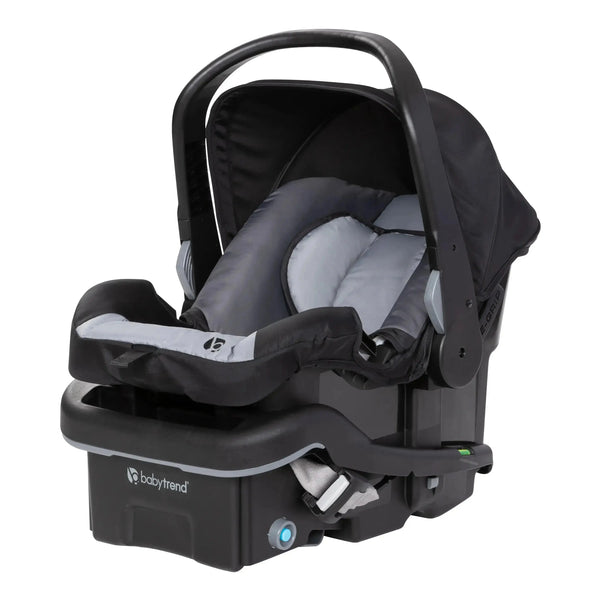
California has clear rules for infant car seats. Babies must ride in rear-facing seats. This is important for safety. A child’s safety is a top priority. Rear-facing seats protect the baby’s neck and spine. Parents should check car seat labels. They show weight and height limits. Seats must be installed properly.
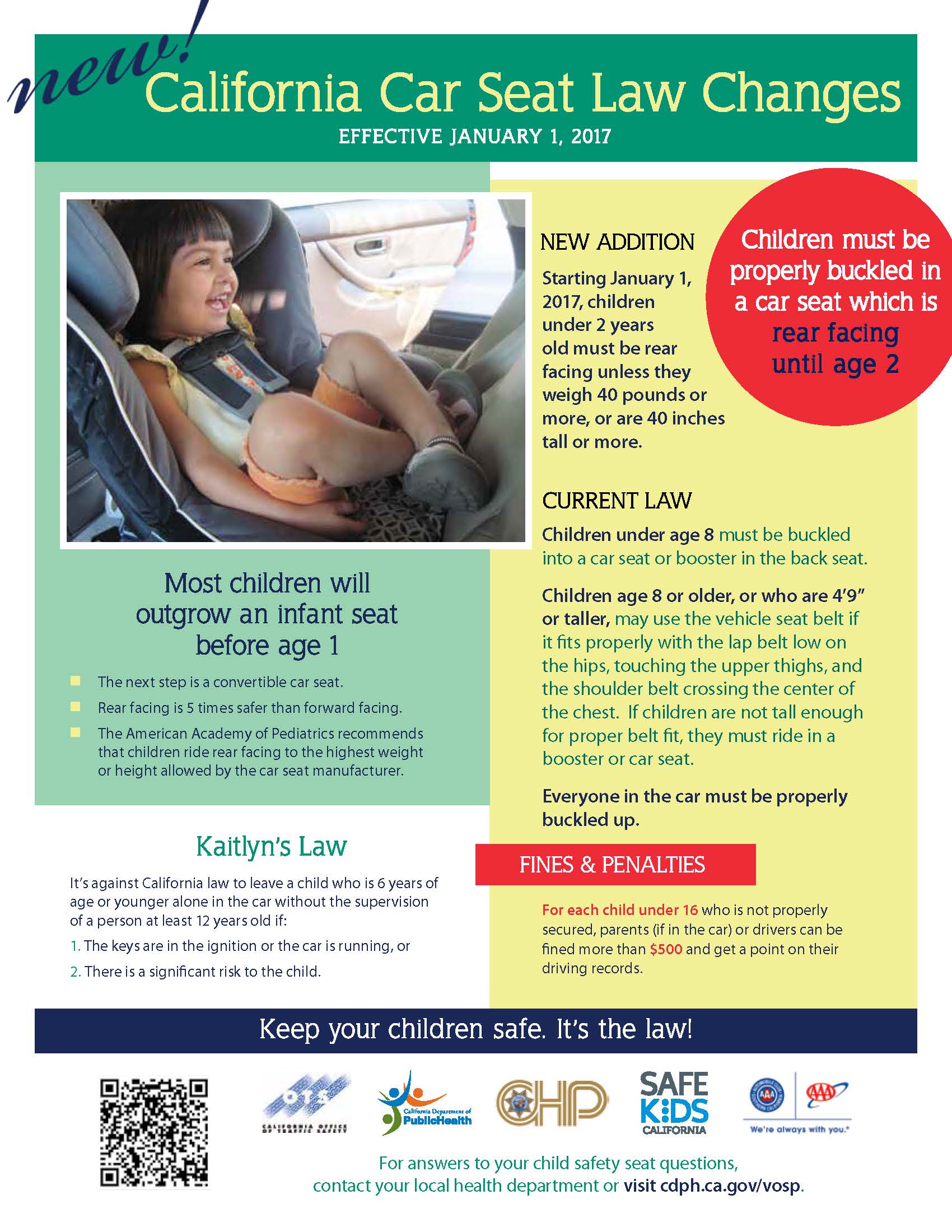
Children under two years old must use these seats. Exceptions exist for bigger babies. If a baby weighs more than 40 pounds, they can use a forward-facing seat. But rear-facing is safer. Always secure the seat with a seatbelt. Double-check that the harness fits snugly.
Credit: cchp.ucsf.edu
Age And Weight Requirements
California cares about safety for infants in cars. Babies must ride in a rear-facing car seat until they are two years old. It is important to keep them safe. The seat must fit their heigh tand weight. Children under 40 pounds should stay in rear-facing seats. This rule helps protect them in accidents.
Parents must check the car seat label. It tells the right size for their child. As babies grow, check the seat often. Always follow manufacturer guidelines. Proper use is the key to keeping children safe. It’s about choosing the best seat for your child.
Rear-facing Seat Regulations
California has specific rules for infant car seats. Babies must ride in a rear-facing car seat until they are 2 years old. This is for their safety. The seat protects their head, neck, and spine. Parents must secure the seat properly in the car. It should be in the back seat. Never place it in front of an active airbag. Airbags can harm babies. Safety experts suggest keeping the seat rear-facing as long as possible. Always check the car seat manual for weight limits. Different seats have different limits. Following these rules helps keep your baby safe.
Forward-facing Seat Guidelines
Children in California have specific car seat rules. A child should switch to a forward-facing seatafter they outgrow the rear-facing one. This usually happens when they reach the age of 2 or exceed the seat’s weight limit. The forward-facing seat is safe for kids weighing 40 pounds or less. Make sure the harness fits snugly. The seat should be installed in the back seat of the car.
Always check the car seat’s manual for proper installation instructions. This ensures the seat is secure and safe. Parents must follow these rules to keep their children safe. Using a forward-facing seat correctly reduces the risk of injury. Safety is always the top priority for kids.
Booster Seat Protocols
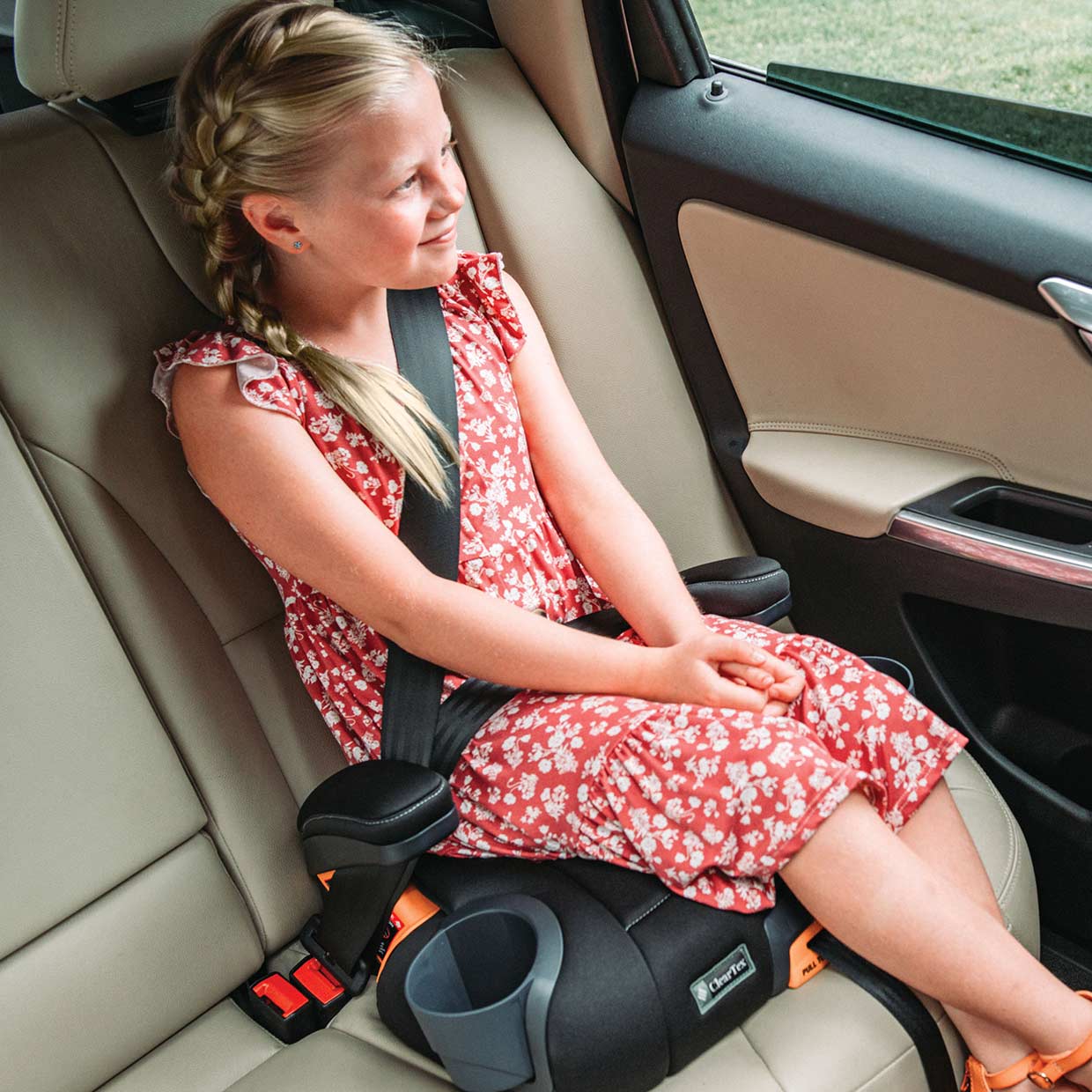
California has strict rules for booster seats. Children under 8 years must use one. Kids over 4 feet 9 inches can switch to regular seat belts. Safety is very important. Booster seats help protect young passengers. They raise a child to fit seat belts properly. Always use a seat that fits your child’s weight and height. Check the seat’s label for size guidelines. Follow the instructions for installation carefully. Ensure the seat is secure before each trip. If unsure, consult an expert. Parents must ensure child safety in vehicles. Make it a habit to check seat conditions regularly. Broken seats can be dangerous. Ensure straps are snug and not twisted. Keep your children safe always. Follow booster seat rules diligently.
Exceptions To The Rules
California car seat rules have some exceptions. Children with medical conditions might have different rules. Parents should have a doctor’s note. This note explains the need for different seating. Emergency vehicles can have exceptions too. Ambulances sometimes cannot use car seats. Safety is still a priority. Public transportation like buses and trains do not require car seats. Parents must hold their children safely.
Taxis and rideshare services might have exceptions. Some do not provide car seats. Parents should bring their own. Children over eight years or taller than 4 feet 9 inches can use seat belts. Always check with local laws. Safety first for every child.
Penalties For Non-compliance
Not using a car seat can be risky. The law in California requires it. Failure to comply may lead to fines. These fines can be as high as $500. You might also get points on your driving record. These points can affect your insurance costs.
Police officers check for car seats. They do this during regular stops. If you are caught, you will get a ticket. The court may order a safety class. This class teaches about car seat safety. Completing the class might reduce your fine. But it is better to follow the rules.
Using a car seat keeps your baby safe. Always check the seat’s expiry date. Make sure it fits your child well. Safety should be your top priority.
Safety Tips For Parents
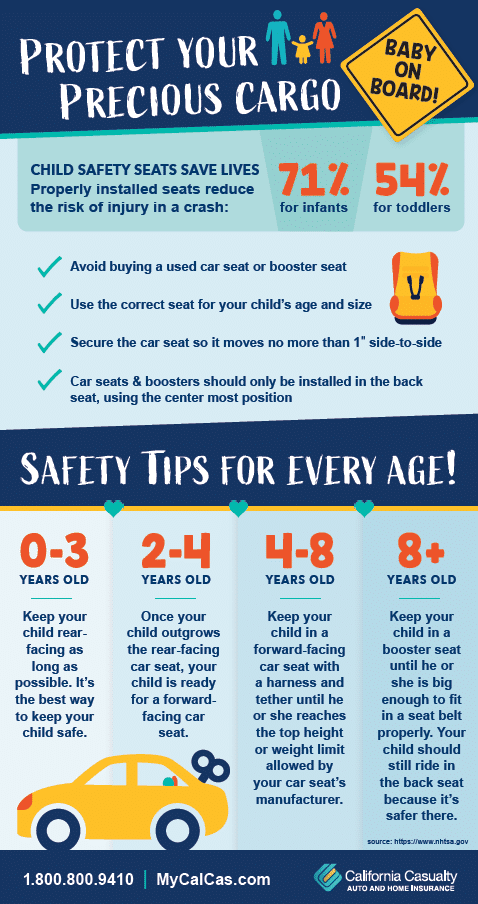
Parents must ensure the car seat is installed correctly. Always check the manufacturer’s instructions. The seat should not move more than an inch. Straps must be tight and secure. Keep them at or below the baby’s shoulders. Chest clip should be at armpit level. This prevents injury during a crash. Rear-facing position is safest for infants. California law requires it until age two. Proper installation saves lives.
Choose seats with high safety ratings. Not all seats fit all cars. Test before buying. Certified technicians can help install seats. Some fire stations offer this service. Regular checks are crucial. Seats can loosen over time. Replace seats after accidents, even minor ones. Safety is a top priority.
Choosing The Right Car Seat
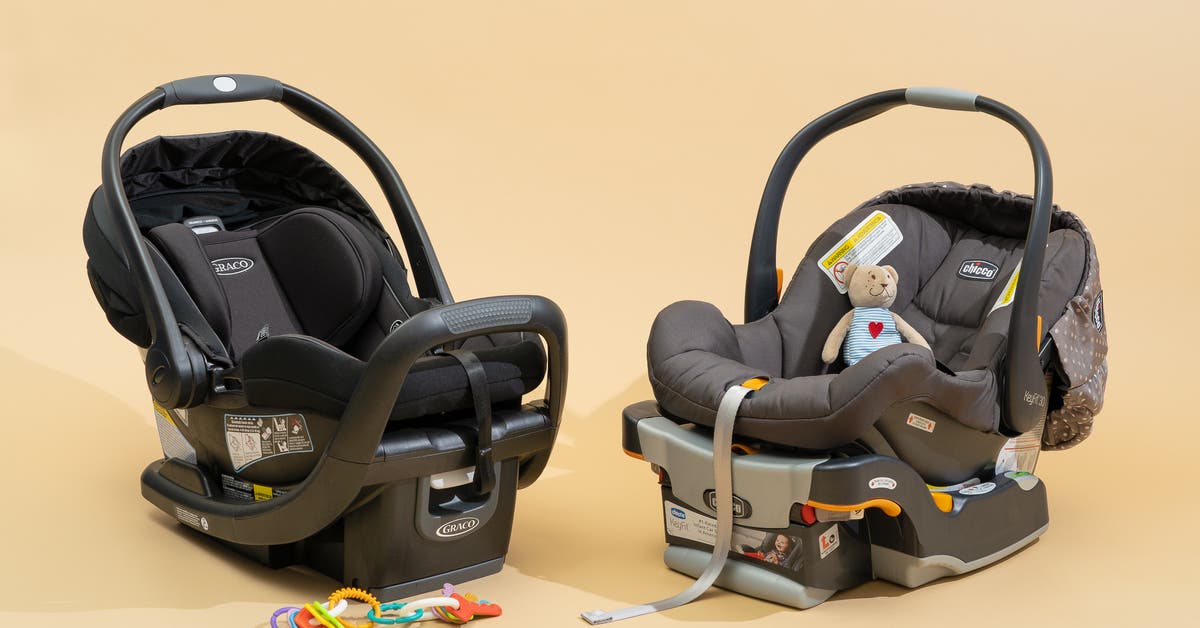
Choosing the correct car seat is important for your baby’s safety. Babies need a special seat that fits their size and weight. Infant car seats are designed for newborns. They face the back of the car. This position protects babies better during rides. Always check the seat’s weight limit. Babies grow fast. Make sure the seat is not too small. It should be snug but comfortable. Look for seats with clear instructions. They help you install the seat correctly. Safety labels are also important. They show if the seat meets safety standards. Always make sure the seat is properly secured. A loose seat can be dangerous. Check straps and buckles regularly. They should be tight and flat. Never twist them. Your baby’s safety depends on these details.
Credit: mycalcas.com
Installation Best Practices
Proper installationof an infant car seat is crucial. First, ensure the seat is tightly secured. It should not move more than an inch side-to-side. Use the vehicle’s seat belt or LATCH system. Check the car seat’s manual for guidance. Always place the seat in the back seat of the car. This is the safest spot for infants.
Adjust the harness straps snugly. They should lie flat and not twist. The chest clip must be at armpit level. The seat should face the rear of the vehicle. This position provides the best protection in a crash. Follow California laws and guidelines. Regularly inspect the seat for wear and tear.
Frequently Asked Questions
What Are California’s Infant Car Seat Laws?
California mandates rear-facing car seats for children under 2 years old. Exceptions apply if they weigh 40 pounds or more, or are 40 inches tall. Always ensure the car seat meets federal safety standards. Proper installation is crucial for safety, so follow manufacturer instructions carefully.
When Can A Child Face Forward In California?
In California, children can switch to forward-facing car seats at 2 years old. However, they must weigh at least 40 pounds or be at least 40 inches tall. Rear-facing seats are safer, so continue using them until your child outgrows the seat’s specifications.
Are There Penalties For Car Seat Misuse?
Yes, penalties exist for incorrect car seat use in California. Fines range from $100 to $500 depending on the violation. Proper usage is essential for child safety and compliance with state laws. Always ensure car seats are correctly installed and meet legal requirements.
How Do I Install An Infant Car Seat Correctly?
To install an infant car seat, follow the manufacturer’s instructions. Use the vehicle’s seat belt or LATCH system to secure it. The seat should be tightly installed with minimal movement. Ensure the harness is snug against the child. Regularly check for proper installation.
Conclusion
Ensuring your child’s safety is crucial. California’s car seat rules help protect infants. Follow these guidelines to keep your child secure on the road. Proper installation is key. Always check the seat’s position and straps. Choose the right car seat for your child’s age and weight.
Regularly inspect for wear and tear. Remember, a safe car seat can save lives. Adhering to these rules not only complies with the law but also prioritizes your child’s safety. Make informed decisions and drive confidently knowing your little one is well-protected.
Stay safe and travel wisely.