



Car seats for babies are essential for their safety during travel. They must meet safety standards and fit the child’s size and weight.
Selecting the right car seat for your baby is a critical decision that can ensure their safety on the road. It’s not just about compliance with the law; it’s about peace of mind. A suitable car seat can reduce the risk of injury in an accident by a substantial margin.
Parents should consider factors like car seat type, installation methods, and compatibility with their vehicle. With the market offering a vast array of options, it’s important to choose a seat that grows with your child, providing lasting security and comfort. Remember, the right car seat is an investment in your baby’s safety and your confidence as a driver.
Introduction To Baby Car Seats
Baby car seats are essential for every parent’s peace of mind. They provide a safe and secure environment for your child during travel. Ensuring your baby’s safety should always be a top priority.
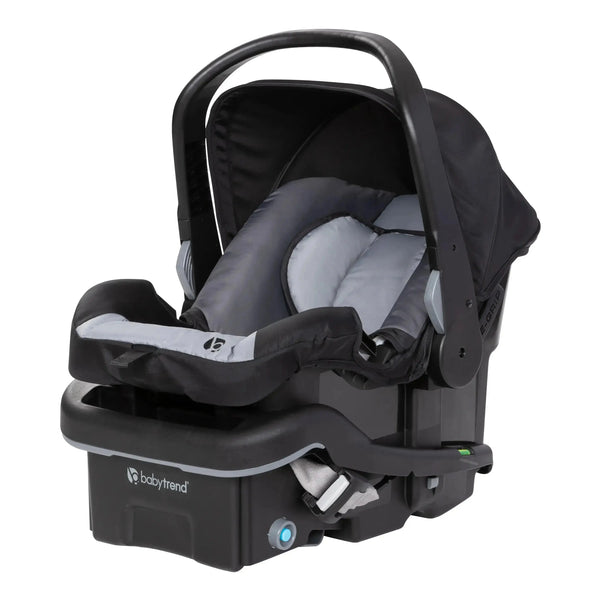
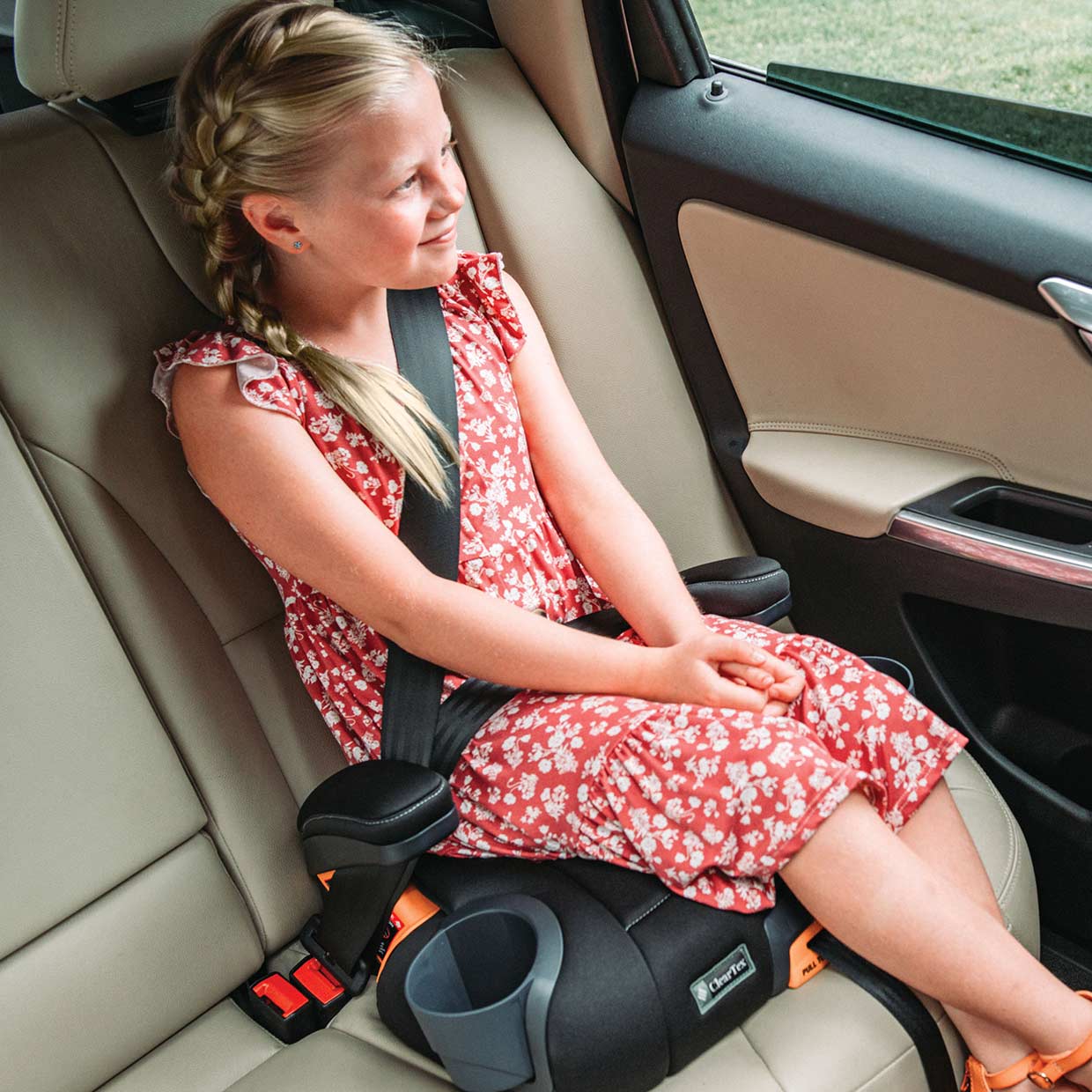
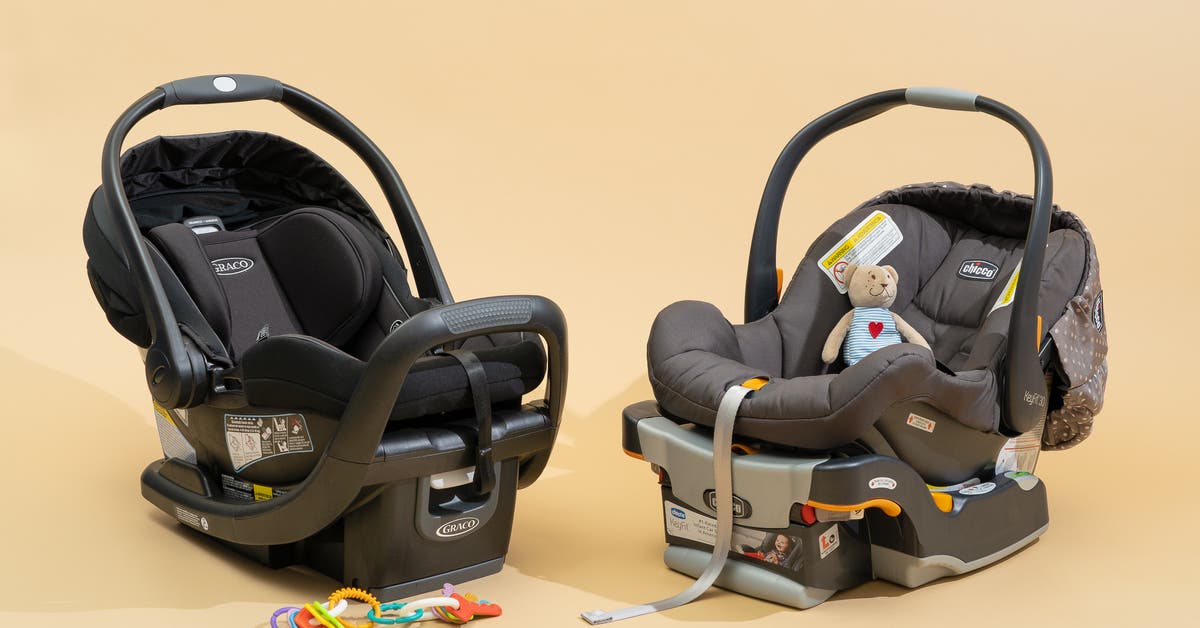
Different types of car seats cater to varying ages and sizes. These include infant car seats, convertible car seats, and booster seats. Each type is designed to support your child’s growth stages.
| Car Seat Type | Age Group | Weight Range |
|---|---|---|
| Infant Car Seat | 0-1 Year | 4-40 lbs |
| Convertible Car Seat | 0-5 Years | 5-65 lbs |
| Booster Seat | 4-12 Years | 40-120 lbs |
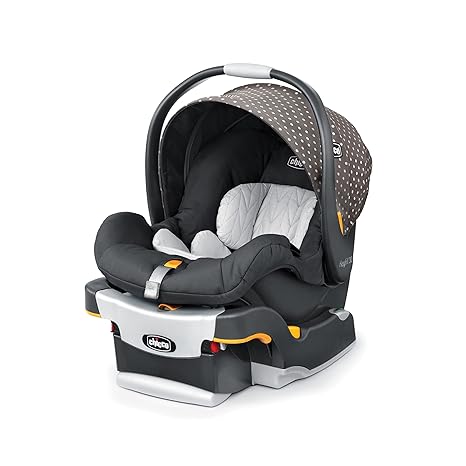
Credit: Amazon.com
Choosing The Right Car Seat
Selecting a car seat for your baby involves age and size considerations. Infants typically start with rear-facing car seats. As they grow, a convertible seat suits their needs. Eventually, they transition to booster seats.
Examine car seat features carefully. A 5-point harness ensures maximum safety. Seats with adjustable straps adapt as your child grows. Look for side-impact protection and ease of installation. Remember to check the expiration date on any car seat you consider.
| Age Group | Car Seat Type |
|---|---|
| 0-2 Years | Rear-Facing |
| 2-4 Years | Convertible Seat |
| 4+ Years | Booster Seat |
Installation Tips And Tricks
Understanding the manual is crucial for car seat installation. Clear instructions help ensure safety. Pictures guide through each step. It makes installation simple and accurate.
Professional help can be valuable. Certified technicians offer assistance. They ensure the seat fits your car and child. They teach secure installation methods. This service often comes at no extra cost.

Credit: www.anbbaby.com
Securing Your Baby
Securing car seats for babies requires attention to detail. Proper harness adjustment is crucial. The harness should be snug, with no slack. Straps should lie flat without twists. A pinch test can be done to ensure tightness. If you can pinch a fold in the harness straps, they are too loose. Always place the chest clip at armpit level. This helps keep the harness in the correct position.
To check the fit, verify that the shoulder straps are at or below your baby’s shoulders. A snug fit is essential for safety. Recheck the fit each time you place your baby in the seat. Growth can affect how the harness fits. Adjust the harness and chest clip accordingly. This ensures your baby remains securely fastened.
No table or bullet points are needed as the information is sufficiently covered in the paragraphs.
Common Mistakes To Avoid
Choosing a safe car seats for babies is crucial. Many parents opt for second-hand seats, which can be risky. These seats might lack recent safety features or have hidden damage from past accidents. It’s essential to check the seat’s history and ensure it meets current safety standards.
Proper installation is key to your baby’s safety. A common mistake is not securing the car seat tightly. The seat should not move more than an inch side-to-side or front-to-back. Always refer to the manufacturer’s instructions or seek professional help for a secure fit.
| Second-hand Seats | Installation Tips |
|---|---|
| Check expiration date | Follow the manual closely |
| Look for wear and tear | Get a professional’s assistance if you are unsure |
| Confirm no recall notices | Get a professional’s assistance if unsure |
Transitioning Between Seats
Knowing when to switch car seats is crucial for your baby’s safety. Look for key signs like the top of your baby’s head nearing the seat’s top. Also, check if the shoulders reach the harness slots, or weight exceeds the seat’s limit. Transitioning at the right time ensures optimal protection.
When choosing the next car seats for babies, consider your child’s growth. Options include convertible seats, which adapt as your child grows. Forward-facing seats are next, for kids who’ve outgrown the rear-facing limit. Always select a seat that fits your child’s current size and weight.
| Car Seat Type | Weight Limit | Age Range |
|---|---|---|
| Infant | 4-40 lbs | 0-1 year |
| Convertible | Up to 65 lbs | 1-4 years |
| Booster | Up to 110 lbs | 4+ years |
Maintenance And Cleaning
Keeping baby car seats in top condition is essential for safety. Perform regular check-ups to ensure everything is secure. Straps and buckles should be intact and functional. Look for signs of wear and tear.
Cleaning best practices are simple yet vital. Use gentle soap and warm water for the fabric parts. Avoid harsh chemicals as they can damage the material and irritate your baby’s skin. Rinse thoroughly and let the seat air dry. For the plastic and metal parts, a damp cloth will do. Check the manufacturer’s manual for specific cleaning instructions. Always allow the seat to dry completely before using it again.
Legal Requirements And Recommendations
Car seats for babies are a must for safe travel. Each state in the U.S. has its own laws regarding car seats. It’s important to know these laws to keep your baby safe. The laws vary, but all aim to protect young passengers. Safety standards also guide which car seats are best. These standards ensure car seats meet minimum safety requirements. Choosing a car seat that meets these standards is crucial for your baby’s safety.
:max_bytes(150000):strip_icc()/GettyImages-1398600859-02c9f84caf5245f3b746d3b1d96693b5.jpg)
Credit: www.parents.com
Frequently Asked Questions
At what Age Do You Change Baby Car Seats?
The transition from infant car seats to convertible or all-in-one seats typically occurs between 9 to 18 months. The exact time depends on your child’s size and the seat’s weight limit. Always check the manufacturer’s guidelines for the most accurate information.
How Long Does A Baby Stay In An Infant Car Seat?
A baby typically outgrows an infant car seat by the age of one or when they reach the seat’s weight or height limit.
What Type Of Car Seat Should Infants Be In?
Infants should be in a rear-facing car seat designed for their weight and height. Always ensure it meets current safety standards.
Conclusion
Selecting the right car seats for babies is crucial for your baby’s safety and comfort. Remember, a well-fitted model tailored to your child’s age, size, and needs can make all the difference. As parents prioritize the journey of their little ones, investing in a high-quality car seat is essential.
Drive with peace of mind, knowing your baby is secure.