


Parents often wonder about the best booster seat for their child. High back vs backless boosters are popular choices.
Both have unique features and benefits. Choosing between a high back vs backless booster can be confusing. Safety, comfort, and convenience play crucial roles in this decision. High back boosters offer head and neck support. They are ideal for cars without headrests.
Backless boosters, on the other hand, are lightweight and easy to move. They are great for families on the go. Understanding the differences helps make an informed choice. This comparison aims to guide parents. It will highlight key features of each type. By the end, you’ll feel more confident in your decision. Safe travel is a top priority. Let’s explore these options to find the best fit for your family.
Introduction To Booster Seats
Choosing between high back vs backless booster seats involves considering safety and comfort. High back boosters offer side protection and support for sleeping kids. Backless boosters are easier to move and install, ideal for older children who need a lift.
Booster seats play a crucial role in child safety during car rides. They serve as a transition from car seats to seat belts. Understanding the different types is essential for parents.
Purpose Of Booster Seats
Booster seats elevate children to achieve a proper seat belt fit. They ensure the seat belt lies across the child’s chest and lap. This positioning minimizes the risk of injury during accidents. Booster seats are designed for children who have outgrown car seats. They are vital for children shorter than 4 feet 9 inches.
Importance In Child Safety
Child safety in vehicles is of utmost importance. Booster seats protect children by reducing injury risk. They prevent the seat belt from causing harm to a child’s neck or stomach. Proper use of booster seats can significantly reduce accident-related injuries. Parents must choose the right booster seat for their child’s safety.
“`
High Back Booster Features
High back boosters offer better support and protection for a child’s head and neck. They are ideal for vehicles without headrests. In contrast, backless boosters are portable and convenient for older children who can sit comfortably without back support.
Choosing the right booster seat for your child can be a daunting task. High back boosters offer unique features that enhance both comfort and safety. Understanding these features can help you make an informed decision for your child’s car travel experience.
###
Design And Structure
High back boosters are designed with a supportive backrest that mimics the structure of a car seat. This design provides a comfortable seating position for your child, ensuring they remain secure and upright during the ride. Many models come with adjustable headrests and side wings to accommodate growing children.
The structure of a high back booster often includes padding and armrests, making long trips more comfortable for your child. Have you ever watched your child fall asleep in the car, only to end up in an uncomfortable position? High back boosters can help prevent this by providing a more supportive environment.
###
Safety Benefits
The safety features of a high back booster are paramount. They often include guides for the seatbelt, ensuring that the belt is correctly positioned across your child’s shoulder and lap. This correct positioning is crucial for effective restraint in case of sudden stops or collisions.
High back boosters also offer enhanced side impact protection. The wings and headrest can absorb energy and protect your child’s head and torso. Imagine the peace of mind knowing that your child is cocooned in a seat designed to shield them from side impacts.
How confident do you feel about your child’s safety during car trips? Investing in a high back booster could significantly increase that confidence, offering both protection and comfort.
Choosing between a high back vs backless booster ultimately depends on your child’s needs and your peace of mind. With these features, high back boosters provide a strong case for their place in your family’s vehicle.
Backless Booster Features
Backless boosters are a practical choice for many parents. These car seats offer essential safety features without the bulk. They are designed to elevate your child, ensuring the seatbelt fits properly. While they may lack some support compared to high back models, their benefits in specific situations are noteworthy.
Compact Design
Backless boosters excel in their compact design. They fit easily in smaller cars. This makes them ideal for families with limited space. Their lightweight nature allows quick installation or removal. Parents appreciate this flexibility for carpools or travel. Their size also simplifies storage when not in use.
Advantages In Certain Situations
Backless boosters are advantageous during certain situations. They are perfect for older children who require less support. They provide just the right height for seatbelt safety. Their portability is a key benefit for quick transitions. Parents often choose them for short trips or city driving. Their straightforward design ensures ease of use.
Safety Standards And Regulations
Choosing between high back vs backless boosters involves understanding safety standards. High back boosters offer head and neck support. Backless boosters are lighter and more portable. Both types must meet safety regulations to ensure child protection during travel.
When deciding between a high back vs backless booster seat for your child, understanding the safety standards and regulations is crucial. These guidelines ensure that your child’s transition from a car seat to a booster provides the protection they need. It’s not just about comfort; it’s about adhering to safety norms that have been established through rigorous testing and research.
###
Current Safety Guidelines
Safety guidelines for booster seats are continually updated to reflect new research and technological advances. High back boosters are generally recommended for younger children who need more support. They offer additional side impact protection and head restraint, which can be critical in an accident.
Backless boosters are suitable for older children who have outgrown the high back models. They rely more on the car’s built-in headrest and seatbelt positioning. Do you know if your car’s headrests can safely accommodate a backless booster?
###
Compliance Requirements
Compliance with safety regulations is mandatory for all booster seats on the market. Look for labels indicating the seat meets federal safety standards. High back boosters often have more stringent requirements due to their added features.
Backless boosters must also comply, but ensure they are used in vehicles with adequate headrests. It’s essential to check the booster seat’s manual for compliance details. Have you verified if your booster seat meets all current safety standards?
Your choice between a high back vs backless booster should be informed by these safety guidelines and compliance details. Prioritize your child’s safety by choosing a booster that not only fits them well but also meets all regulatory standards.
Comparing Safety Aspects
High back boosters offer head and neck support, enhancing safety during rides. Backless boosters are lightweight and portable, providing convenience. Each type plays a unique role in ensuring child passenger safety. Parents should consider their child’s size and comfort when choosing the appropriate booster seat.
When choosing between a high back vs backless booster, safety is a top priority for every parent. How do these two options compare when it comes to protecting your child? Understanding the specific safety aspects of each can help you make a more informed decision.
Side Impact Protection
High back boosters often come equipped with side impact protection features. These features offer added security by shielding your child’s torso and head during a side collision. Imagine the peace of mind knowing that those extra layers are there to keep your child safe.
Backless boosters, on the other hand, rely heavily on your vehicle’s existing structure for side impact protection. While they elevate your child to a safer seat belt position, they lack the additional cushioning and protection that a high back provides. Is this trade-off worth it for your child’s safety?
Head And Neck Support
High back boosters excel in supporting your child’s head and neck. They come with adjustable headrests that grow with your child, ensuring that their head remains properly aligned and protected. Think about long car rides where your child can comfortably rest without their head lolling to the side.
In contrast, backless boosters do not offer any head and neck support. This lack of support might be fine for short trips, but could pose a risk during sudden stops or long journeys. Are you comfortable sacrificing that level of support for convenience?
Deciding between a high back vs backless booster involves weighing these safety aspects. Consider what matters most for your child’s comfort and protection, and choose accordingly.
Credit: www.chiccousa.com
Ease Of Use And Comfort
Choosing the right booster seat is crucial for your child’s safety. Ease of use and comfort are significant factors. They can influence your decision between high back vs backless boosters. Understanding these aspects ensures a smooth experience for both you and your child.
Installation Process
High back boosters typically have a more straightforward installation. Their design often includes a latch system that connects easily to car seats. This feature provides added security and stability during travel.
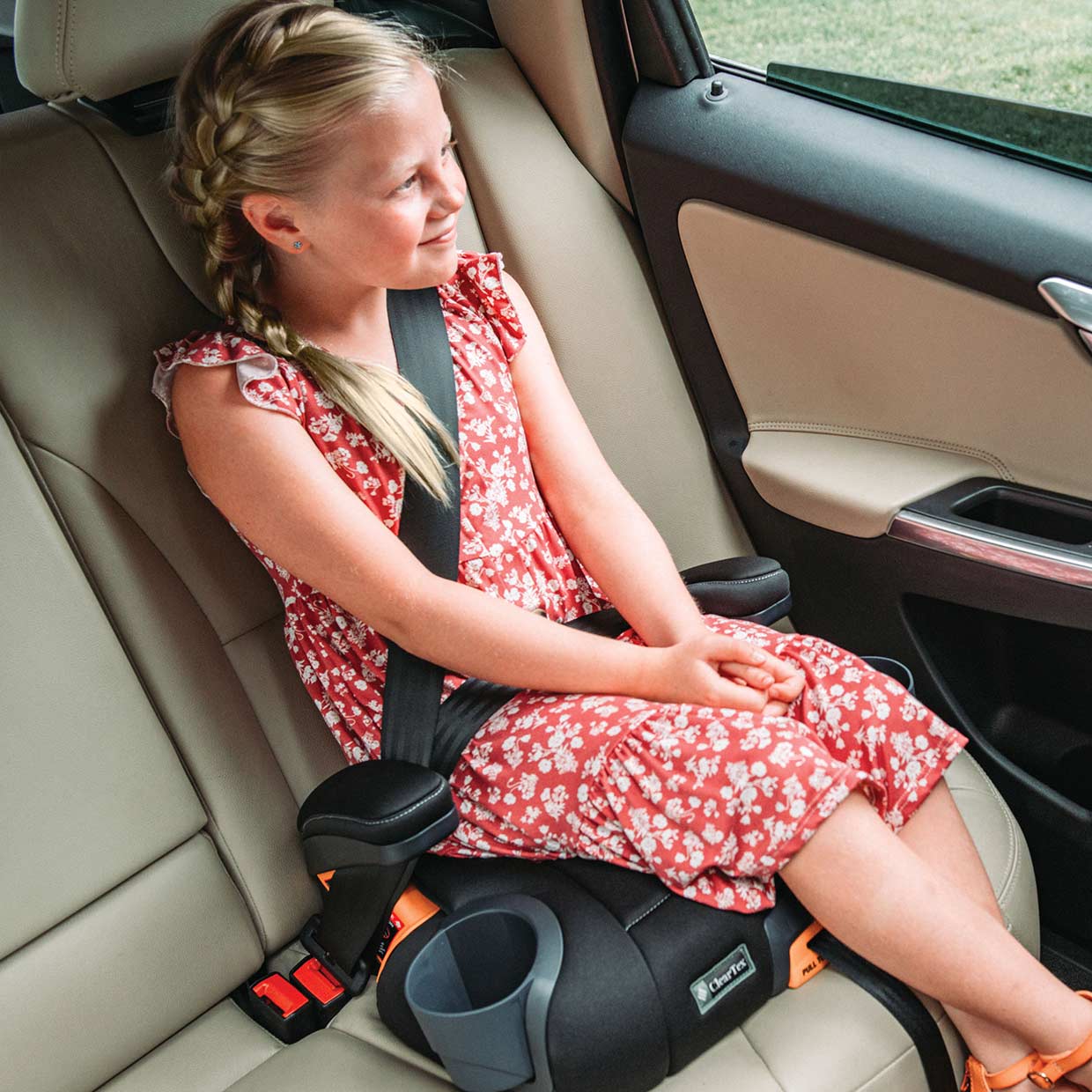
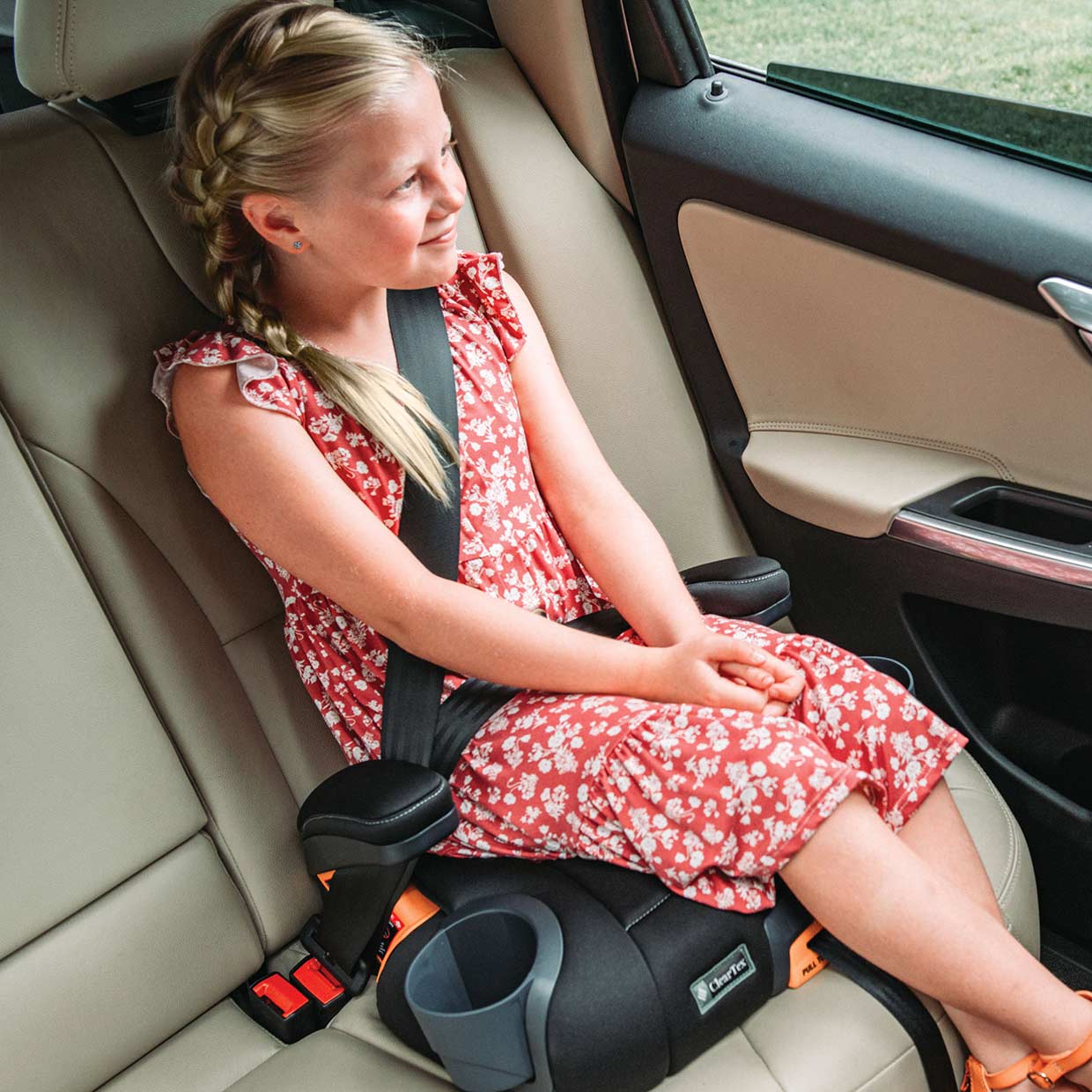
Backless boosters are lighter and simpler to install. They usually require no additional anchoring. Just place them on the car seat, and they are ready to use. This makes them convenient for quick trips.
Child Comfort Considerations
High back boosters offer more support. They include headrests and side wings. These features help keep your child comfortable on long journeys.
Backless boosters lack this extra support. They are better suited for older children who need less physical support. Their compact design is ideal for short trips.
Both types have their advantages. Consider your child’s needs and your travel habits. This will guide you in choosing the most comfortable option.
Choosing The Right Booster
Choosing the right booster seat for your child is crucial. Safety and comfort are key. You want a seat that fits your child’s needs. High back vs backless boosters each have unique benefits. Understanding these can help you make the best choice.
Age And Size Factors
Age and size are vital in selecting a booster seat. High back boosters provide extra support. They’re ideal for younger, smaller children. They offer head and neck protection. Backless boosters are more suitable for older, larger kids. They require the car’s seat for back support.
Vehicle Compatibility
Vehicle type affects booster seat choice. High back boosters may not fit in cars with low ceilings. They need space for the headrest. Backless boosters are more versatile. They fit in most cars without issue. Check your car’s seats before buying. Ensure the booster fits well and securely.
Expert Opinions And Recommendations
Choosing between high back vs backless boosters can be confusing for parents. Experts provide valuable insights to guide these decisions. Understanding professional opinions and real-life experiences ensures safe and comfortable rides for children.
Pediatrician Insights
Pediatricians emphasize the importance of booster seats for child safety. High back boosters offer support for the head and neck. They are suitable for younger children or those who sleep in the car. Backless boosters are lighter and easier to move. They suit older children who fit the seatbelt properly.
Safety experts recommend high back boosters for cars without headrests. They provide extra protection in case of collisions. Always consult a pediatrician when unsure. They can offer tailored advice based on your child’s needs.
Parent Reviews And Experiences
Parents share diverse experiences with booster seats. Many prefer high back boosters for their comfort and support. They find them ideal for long trips. Other parents like the simplicity of backless boosters. They praise their portability and ease of use.
Some parents mention the ease of transitioning from car seat to booster. High back boosters help children feel secure during this change. Reading reviews and experiences can help decide which booster fits your lifestyle and child’s needs.
Conclusion And Final Thoughts
Choosing between high back vs backless boosters depends on safety needs and comfort preferences. High back boosters offer more support, while backless ones are portable. Consider your child’s height and vehicle type to make the best choice.
As you navigate the world of booster seats, the choice between high back and backless options can feel overwhelming. Both types have their unique advantages, and understanding these can help you make the best decision for your child’s safety and comfort. Let’s dive into the final thoughts on this topic and ensure you have all the tools needed to make an informed choice.
Summary Of Key Points
Choosing between high back vs backless boosters boils down to a few crucial considerations. High back boosters provide added neck and head support, making them ideal for cars without headrests. They’re also great for long drives, offering more comfort and protection. Backless boosters, on the other hand, are portable and easy to install, perfect for quick trips and carpooling.
Remember, your child’s age, weight, and height play a significant role in determining the suitable booster. High back boosters are often preferred for younger children transitioning from car seats, while backless boosters fit well for older kids who meet the height requirements.
Making An Informed Decision
To make a choice that you feel confident in, consider your family’s lifestyle. Do you often switch cars or travel frequently? A backless booster might be your best friend. If your car lacks headrests or you value added side-impact protection, a high back booster could be more appropriate.
Reflect on your own experiences. Have you ever felt anxious about your child’s safety during a long drive? If yes, you might appreciate the peace of mind a high back booster brings. On the other hand, if you’ve ever struggled with moving bulky car seats, a lightweight backless option might save you time and hassle.
Ask yourself, how important is portability versus protection? This simple question can guide you toward the right decision. Always prioritize your child’s safety but balance it with practical needs.
Ultimately, the choice is personal. Think about what suits your child and your family’s needs best. Remember, the right booster is one that keeps your child safe while fitting seamlessly into your life.
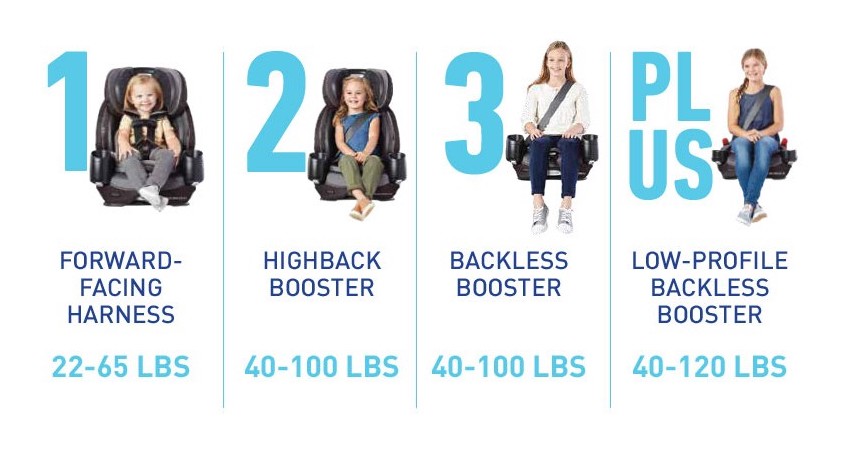
Credit: www.babybargains.com
Frequently Asked Questions
Are High Back Boosters Better Than Backless?
High back boosters offer better side protection and support, particularly for younger children. They provide head and neck safety during car rides. Backless boosters are more portable and suitable for older kids who meet height and weight requirements. Choose based on your child’s age, size, and safety needs.
When To Move A Child To A Backless Booster?
Move a child to a backless booster when they are at least 4 years old and weigh over 40 pounds. Ensure the vehicle’s seat belt fits correctly across the child’s shoulder and lap. Always follow the manufacturer’s guidelines for height and weight limits.
Safety is the top priority.
Is Backless Booster Ok For 6 Year Old?
A backless booster is suitable for a 6-year-old if they weigh at least 40 pounds. Ensure the vehicle’s seat belt fits properly across their shoulder and lap. Always check local regulations and manufacturer guidelines for safety standards.
When Can A Child Stop Using A High Back Booster Seat?
A child can stop using a high back booster seat when they are 8-12 years old. Ensure they meet height and weight requirements. The seatbelt should fit properly across their chest and lap. Always check local regulations for specific guidelines on booster seat usage.
Safety is paramount for children in vehicles.
Conclusion
Choosing between high back and backless boosters depends on your needs. High back boosters offer more support and comfort. They are great for longer journeys. Backless boosters are compact and easy to move. Perfect for short trips or small cars.
Consider your child’s size and the car’s design. Safety should be the top priority. Check reviews and ratings before buying. Make sure the booster fits well in your car. Both types have their pros and cons. Choose wisely for your child’s safety and comfort.